
Calligraphy is more than just fancy handwriting , it’s an art form that brings elegance and emotion to every letter. Whether you’re writing names, creating greeting cards, or making wall art, understanding how to properly use calligraphy pens and ink is the key to beautiful results.
In this beginner-friendly guide, we’ll cover everything you need to know about choosing and using calligraphy pens, inks, nibs, and paper with tips, techniques, and tools available at Sab My Store.
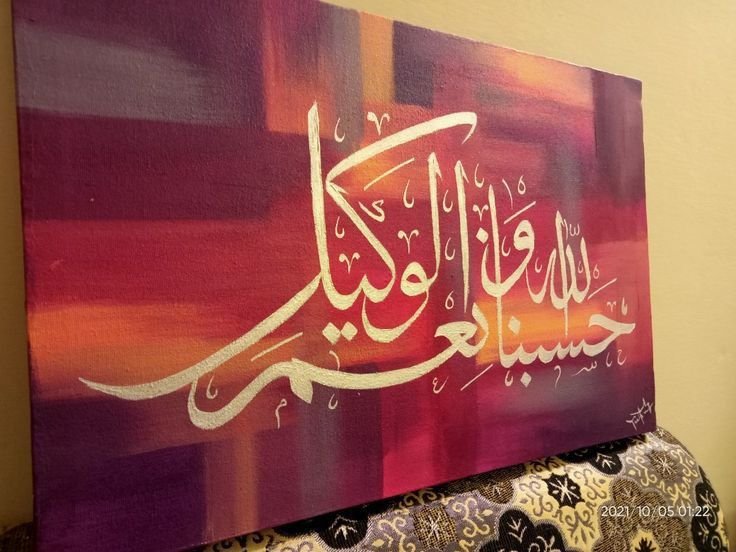
Essential Calligraphy Tools
Before you begin, make sure you have the right tools. Here’s what you need:
1. Calligraphy Pen
There are two main types:
- Dip Pens – Used with metal nibs and ink bottles
- Brush Pens – With flexible tips for modern calligraphy
Starter kits available at Sab My Store include both options.
2. Calligraphy Ink
Special ink designed for smooth flow and bold strokes. It comes in various colors and finishes (matte, glossy, metallic).
Avoid using fountain pen ink in dip pens — it’s too thin.
3. Nib Holder & Nibs
If you’re using a dip pen, you’ll need:
- A nib holder (straight or oblique)
- Replaceable nibs (e.g., Nikko G, Brause, Leonardt)
4. Smooth Paper
Use bleed-proof, smooth surface paper to prevent ink from feathering. Calligraphy pads are best for beginners.
How to Use Calligraphy Ink and Pens: Step-by-Step
1. Prepare Your Workspace
- Lay down a protective sheet (ink can get messy!)
- Have tissues and water for cleaning
- Work in good lighting and keep your posture relaxed
2. Insert the Nib into the Holder
- Push the nib gently into the nib holder until secure
- Make sure it’s straight and firmly attached
3. Dip the Nib in Ink
- Dip the nib about halfway into the ink (don’t submerge fully)
- Gently tap the nib on the ink bottle’s edge to remove excess
4. Test on Scrap Paper
- Begin with a few practice strokes
- Start slow and control your pressure — thicker downstrokes, thinner upstrokes
5. Write with Rhythm
- Don’t rush — focus on the angle and spacing
- Hold the pen at about 45 degrees
- Reload ink when strokes start fading
Cleaning & Caring for Your Tools
After each session:
- Rinse nibs with warm water (no soap)
- Dry completely with a soft cloth
- Don’t leave ink to dry on your nibs — it ruins them
- Store pens and ink in a cool, dry place
Pro Tips for Beginners
- Practice basic strokes daily before writing full letters
- Use guideline sheets for consistency
- Try different nibs and inks to find your style
- Clean your nibs often to maintain ink flow
- Keep a scrap paper beside you to test each stroke
Ready to Begin? Explore our full collection of calligraphy pens, ink, and kits → Shop Now